Most people have seen them without knowing what they are called. A thick, glossy block with a photograph printed inside it, catching the light differently from every angle, sitting on a desk or shelf and looking like something far more expensive than it actually was.
What is an acrylic photo block? It is a question more people are searching for as these products move from specialist print shops into mainstream gift and home décor markets, and more recently into business display and smart marketing tools.
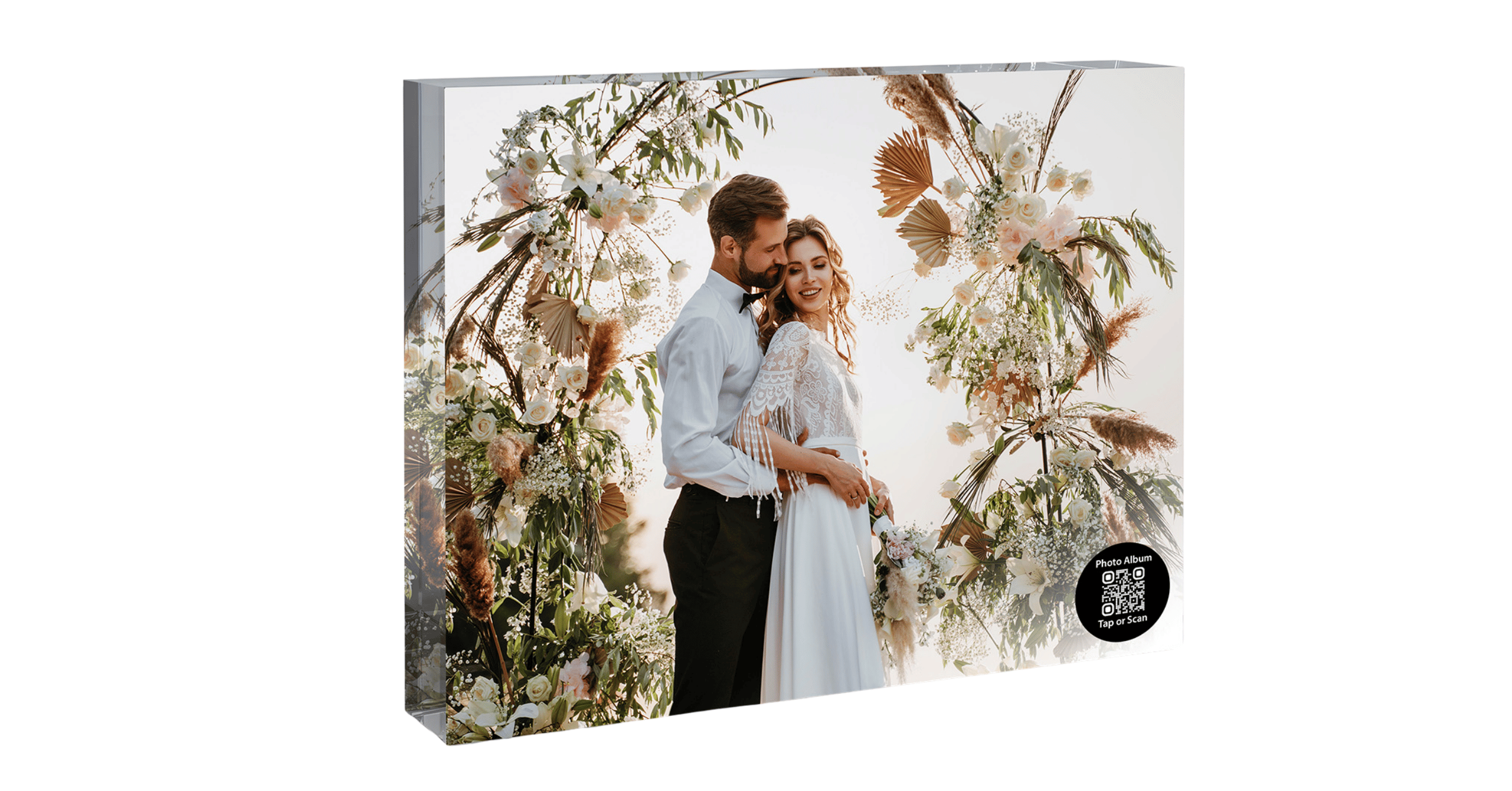
An acrylic photo block is a solid or layered block of clear acrylic material with a high-resolution photograph printed or mounted inside or behind it, creating a three-dimensional display effect with exceptional colour depth and clarity. The acrylic protects the image, amplifies its colours, and gives the photograph a premium, glass-like finish that sits freestanding without a frame.
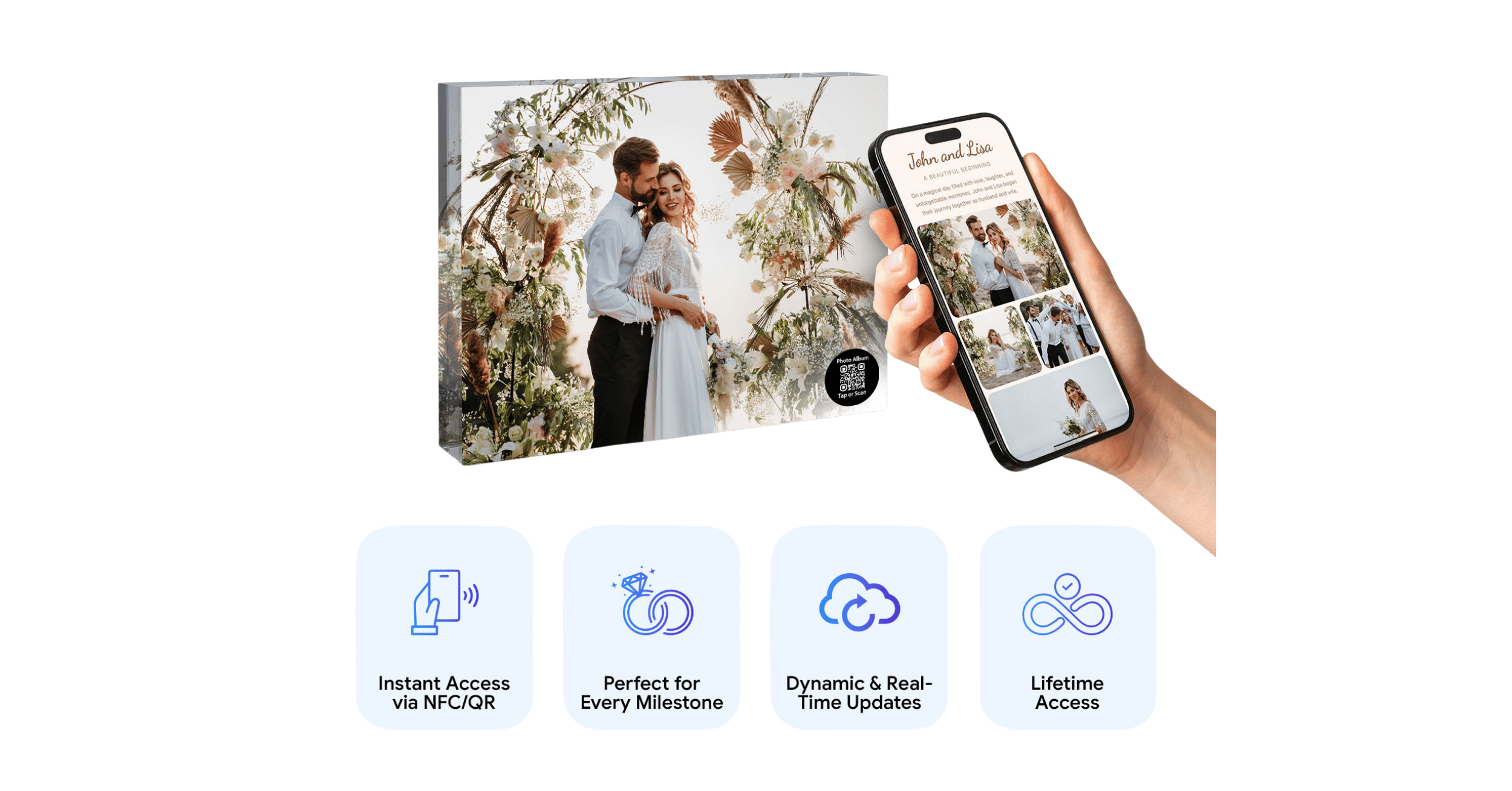
At TapiLink, we produce smart NFC acrylic photo blocks that go beyond the standard display product. Our blocks carry an embedded NFC chip and QR code, meaning anyone who taps or scans the block reaches a linked digital profile instantly. No app needed. One tap and the connection is made.
In this blog, we'll cover what an acrylic photo block actually is, how it is made, what sets a smart NFC version apart from a standard one, who uses them and why, and what to look for when buying one in the UK.
What Is an Acrylic Photo Block?
The short answer: a photograph presented in the most visually impressive format most people will ever own. But the details matter for understanding why these products look the way they do and why they have grown in popularity.
How an Acrylic Photo Block Is Made
The production process varies slightly between suppliers, but the core method is consistent. A high-resolution image is printed directly onto the back of a clear acrylic sheet using UV-cured inks, or a photographic print is face-mounted behind a sheet of clear acrylic using an optically clear adhesive.
The result is a block where the image appears to float inside the material. The acrylic sits in front of the image, acting as both a lens and a protective layer. Light passes through the acrylic and hits the image, which is why the colours appear more saturated and vivid than a standard print on paper.
The block itself is typically cut to a standard size, bevelled or edge-polished, and finished so it sits flat on a surface without a stand or frame. The thickness of the acrylic ranges from around five millimetres for basic products to fifteen or twenty millimetres for premium versions where the depth adds to the visual effect.
Acrylic vs Glass vs Canvas: What Is the Difference?
Three display formats dominate the premium photo product market, and each serves a different purpose.
Acrylic blocks are rigid, glossy, and optically clear. The image appears to have depth behind the surface. They are heavier than paper prints but lighter than glass, and they do not shatter. The colours are vivid and contrast-rich.
Glass photo prints have a similar aesthetic but carry the fragility of glass. They look stunning but require careful handling and are less practical for high-traffic display environments.
Canvas prints are soft, textured, and matte. They suit a painterly or artistic aesthetic. The texture absorbs rather than reflects light, which creates a warmer but less vivid result than acrylic.
For businesses and individuals who want maximum visual impact in a compact, durable format, acrylic consistently produces the strongest result.
What Makes an Acrylic Photo Block Look So Good?
Three things work together to create the effect.
The optical clarity of the acrylic means the image is visible without any haze, distortion, or yellowing, even over time. Standard clear plastic degrades. Optical-grade acrylic does not.
The face-mounting or direct printing process removes the air gap between the image and the viewing surface. On a standard framed print, a tiny gap exists between the paper and the glass or acrylic. Face-mounting eliminates that gap, which eliminates the slight diffusion it creates, producing an image that appears sharper and more vivid than anything framed in the conventional way.
And the edge finish matters. A well-polished acrylic edge catches light from the side and creates a subtle glow around the block. It is honestly one of those details that people notice without being able to name what they are responding to. The block just looks right.
What Is an NFC Acrylic Photo Block and How Is It Different?
A standard acrylic photo block displays an image. A smart NFC acrylic photo block does that and more.
How NFC and QR Technology Works Inside a Photo Block
NFC stands for Near Field Communication, the same technology used in contactless payment cards and Apple Pay. An NFC chip and antenna sit embedded within the block, invisible from the outside, positioned to communicate with any NFC-capable smartphone held close to the surface.
A QR code printed on the block provides a backup access method for devices that do not support NFC tap. Both methods link to the same dynamic digital profile, which the block owner manages and updates through an online dashboard.
The chip stores a URL. That is all that sits on the chip itself. The URL opens a profile in the phone's browser. The profile contains whatever the owner has chosen to share.
What Happens When Someone Taps or Scans
Hold a phone near our Smart NFC Acrylic Photo Block and the profile opens in the phone's browser within two seconds. No app needed. No account required on the receiving phone.
The profile can show anything: a Google review link, a website, a booking page, a social media profile, a portfolio, a WhatsApp contact. For a business using the photo block as a counter display, one tap from a customer takes them directly to the business's Google review page. For a photographer using the block to display their work, one tap takes a viewer to their full portfolio.
The dynamic profile updates online. Change the destination whenever you need to. The physical block never changes. The tap always reaches the current, correct information.
Who Uses Acrylic Photo Blocks and Why
The audience for acrylic photo blocks is broader than most people assume when they first encounter the product.
Home and Gift Use
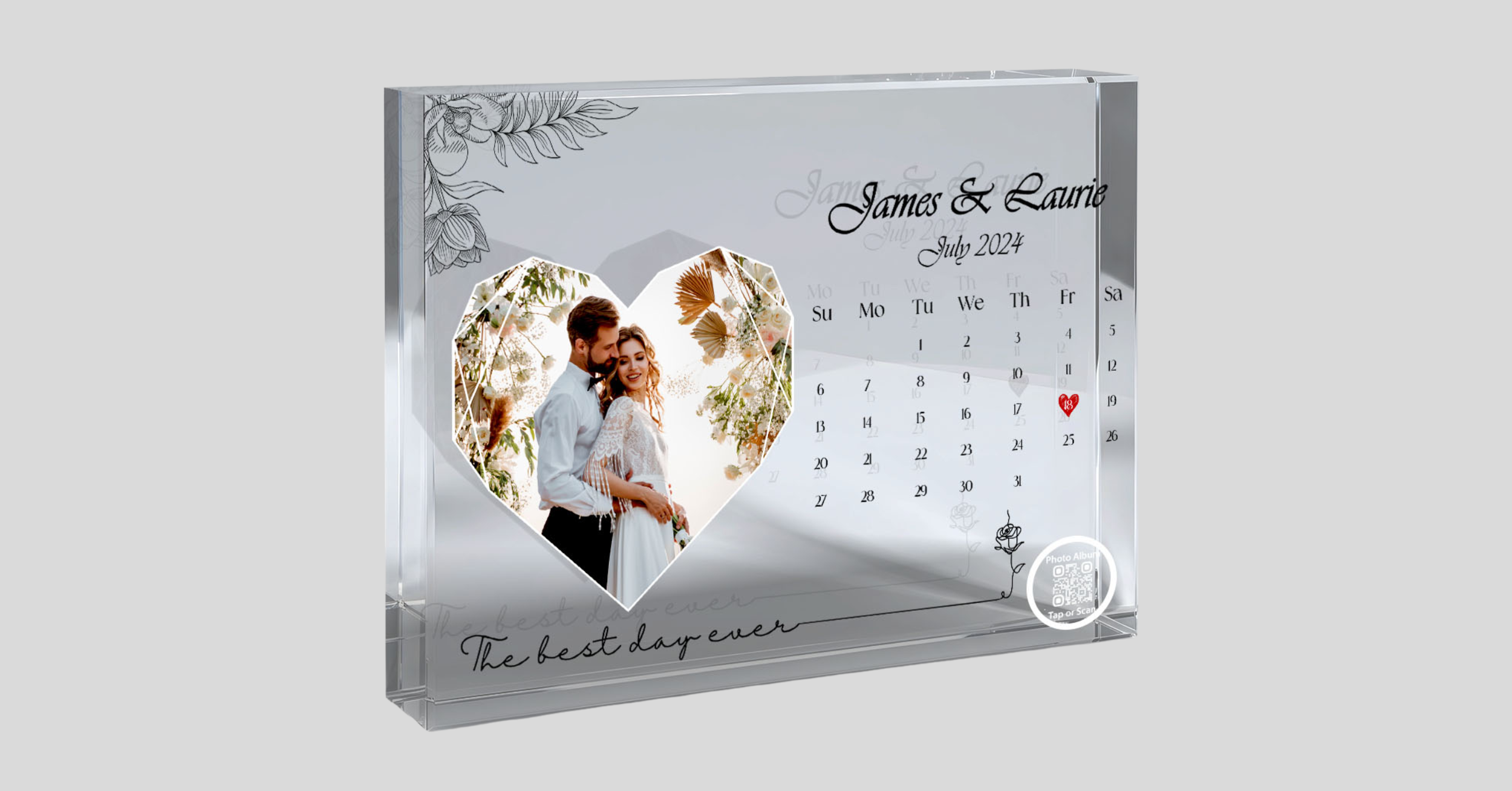
The obvious use case. A family photograph, a wedding image, a portrait of a pet. Acrylic photo blocks make popular gifts because they look premium, they last, and they display without needing a frame, a nail, or a wall.
A standard photo block sits on a mantlepiece, a desk, or a shelf and looks as if it belongs there. The image does not fade, the block does not yellow, and unlike a framed print, there is no glass to clean or frame to straighten.
Business Use: Where Smart Photo Blocks Change the Game
Here is where it gets more interesting. A standard photo block displays an image. A smart NFC photo block generates action.
Picture a hair salon in Leeds. On the reception desk sits a beautifully printed acrylic block showing the salon's best work. A client waiting for their appointment taps their phone against the block. They land on the salon's Google review page. The tap takes five seconds. The review happens before they leave the chair.
According to BrightLocal research, 75% of consumers read reviews when researching local businesses and nearly 85% trust online reviews as much as a personal recommendation. A smart photo block that sits at the point of a positive customer experience and makes leaving a review effortless is not a display product. It is a business tool.
For estate agents, the block sits in the office showing properties. Tap it and reach the agency's booking link. For dentists, it displays clinic photography in the waiting room. Tap it and reach the appointment booking page. For gyms, it shows the studio space. Tap it and reach a membership sign-up form.
What to Look for When Buying an Acrylic Photo Block in the UK
Not all acrylic photo blocks are equal. The differences between a premium product and a budget one are visible, and they become more visible over time.
Acrylic grade matters. Optical-grade acrylic is water-clear and UV-stable. It does not yellow or haze over months or years. Budget acrylic degrades. If a product description does not specify optical-grade or UV-stable material, assume it is not.
Print quality drives the end result. The resolution and colour accuracy of the image going into the block determines the quality of the finished product. A professional-quality input produces a striking result. A compressed or low-resolution image produces a block that looks ordinary from close up.
Edge finish indicates manufacturing quality. Polished edges catch light and add to the premium feel. Machine-cut edges that are not polished look raw and undermine the product's appearance, particularly in a business display context.
For smart blocks, check the profile system. A static link embedded in a QR code is the minimum. A dynamic profile you can update at any time, without reprinting or reordering, is significantly more useful. Every TapiLink smart photo block uses a dynamic profile with no ongoing subscription fees.
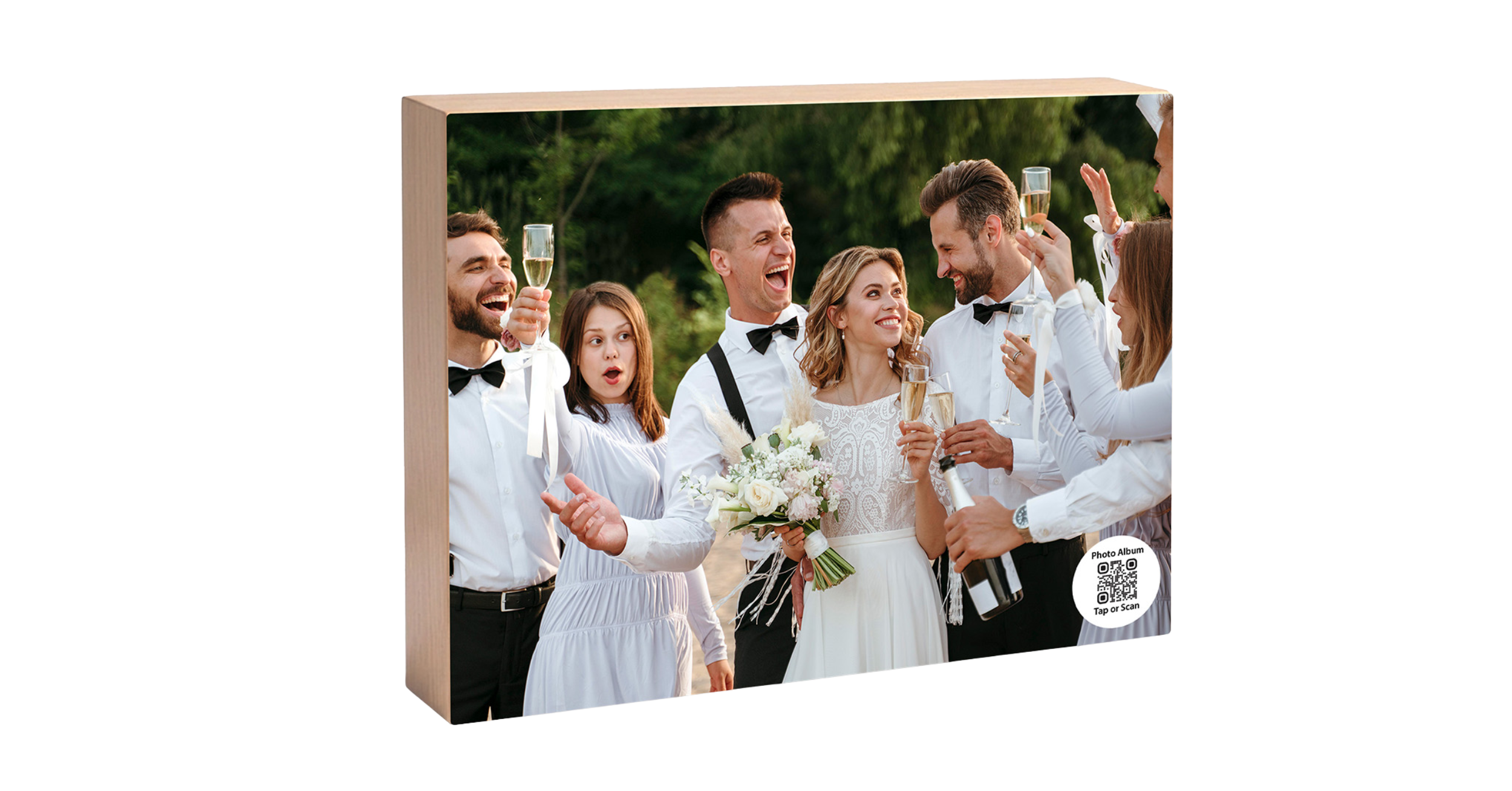
Our Smart NFC Wooden Photo Block offers an alternative material for businesses and individuals who prefer a warmer, more natural aesthetic. The NFC and QR functionality is identical to the acrylic version. The wood grain and finish create a different visual statement that suits some environments better than acrylic.
Browse the full NFC Photo Block range to compare materials and formats.
Conclusion
An acrylic photo block is one of those products that looks more expensive than it is and more impressive than people expect until they see it in person. A photograph displayed in optical-grade acrylic simply looks better than the same image framed or printed on canvas.
But a smart NFC acrylic photo block is a different category of product entirely. It displays beautifully and it works for your business every time someone taps it.
TapiLink produces smart NFC acrylic and wooden photo blocks for UK businesses and individuals who want a display product that does something. One-time purchase, no subscriptions, a dynamic profile you update yourself, and next-day UK delivery. The block looks great on the counter. The tap gets results.
Give your display product a purpose.
Explore our Smart NFC Acrylic Photo Block and see what a photo block can do for your business.
Frequently Asked Questions
Question: What is an acrylic photo block made from?
Answer: An acrylic photo block is made from optical-grade clear acrylic, typically five to twenty millimetres thick. A high-resolution photograph is either printed directly onto the back surface of the acrylic using UV-cured inks, or face-mounted behind the acrylic using optically clear adhesive. The result is a rigid, freestanding display block where the image appears to float inside the material with exceptional colour depth and clarity.
Question: How long does an acrylic photo block last?
Answer: A quality acrylic photo block made from UV-stable optical-grade acrylic lasts indefinitely under normal display conditions. The material does not yellow, crack, or haze over time. The image inside does not fade if it was printed with UV-cured inks and the acrylic provides full UV protection. Cheap acrylic blocks made from standard material can yellow and degrade within a year or two of display, which is why material grade matters at the point of purchase.
Question: What is the difference between a smart NFC acrylic photo block and a standard one?
Answer: A standard acrylic photo block displays a photograph and nothing else. A smart NFC acrylic photo block displays a photograph and also contains an embedded NFC chip and QR code that, when tapped or scanned by a smartphone, opens a linked digital profile in the phone's browser. No app is needed. The profile is fully editable by the block owner and can link to a Google review page, website, booking form, social media profile, or any other destination.
Question: Can an acrylic photo block be used for business purposes?
Answer: Yes, and the NFC-enabled version is specifically designed for this. Businesses place smart photo blocks at the point of customer interaction, where a tap from a customer's phone takes them directly to a Google review page, booking link, or other destination. For salons, restaurants, dental practices, hotels, and any customer-facing business, a smart photo block at the counter or reception desk turns a display product into a review and engagement tool.
Question: Are acrylic photo blocks better than framed prints?
Answer: For desk or shelf display without wall space, acrylic photo blocks are the stronger choice. They are self-standing, require no frame or nail, last longer than paper prints, and produce more vivid colour than a standard framed print. For a large wall-mounted art display, framed canvas or large-format printing may suit the context better. For compact, premium-looking displays in a home or business setting, acrylic blocks consistently produce a more impressive result than a framed equivalent at the same price point.
Ready to revolutionize your networking approach? Explore TapiLink's range of premium NFC business cards and join the thousands of professionals who've already made the smart choice.