Consider what most professionals spend on paper business cards across a career. Two print runs a year, roughly £50 each time, over ten years. That is £1,000 spent on cards. Nearly all of them were thrown away within 24 hours of being handed out.
The durability and sustainability of metal cards tell a very different story. One card, bought once, used for years, updated digitally whenever details change. No reprints, no waste, no drawer full of obsolete cards that never found their way to anyone's contacts list.
The durability of metal business cards refers to their resistance to physical wear, bending, scratching, and corrosion over an extended period of use, typically measured in years rather than months. The sustainability of metal cards relates to their ability to replace repeated paper or PVC print cycles, reducing cumulative material waste, and their potential for recycling at end of life, making them a lower-impact networking tool when measured across a realistic usage period.
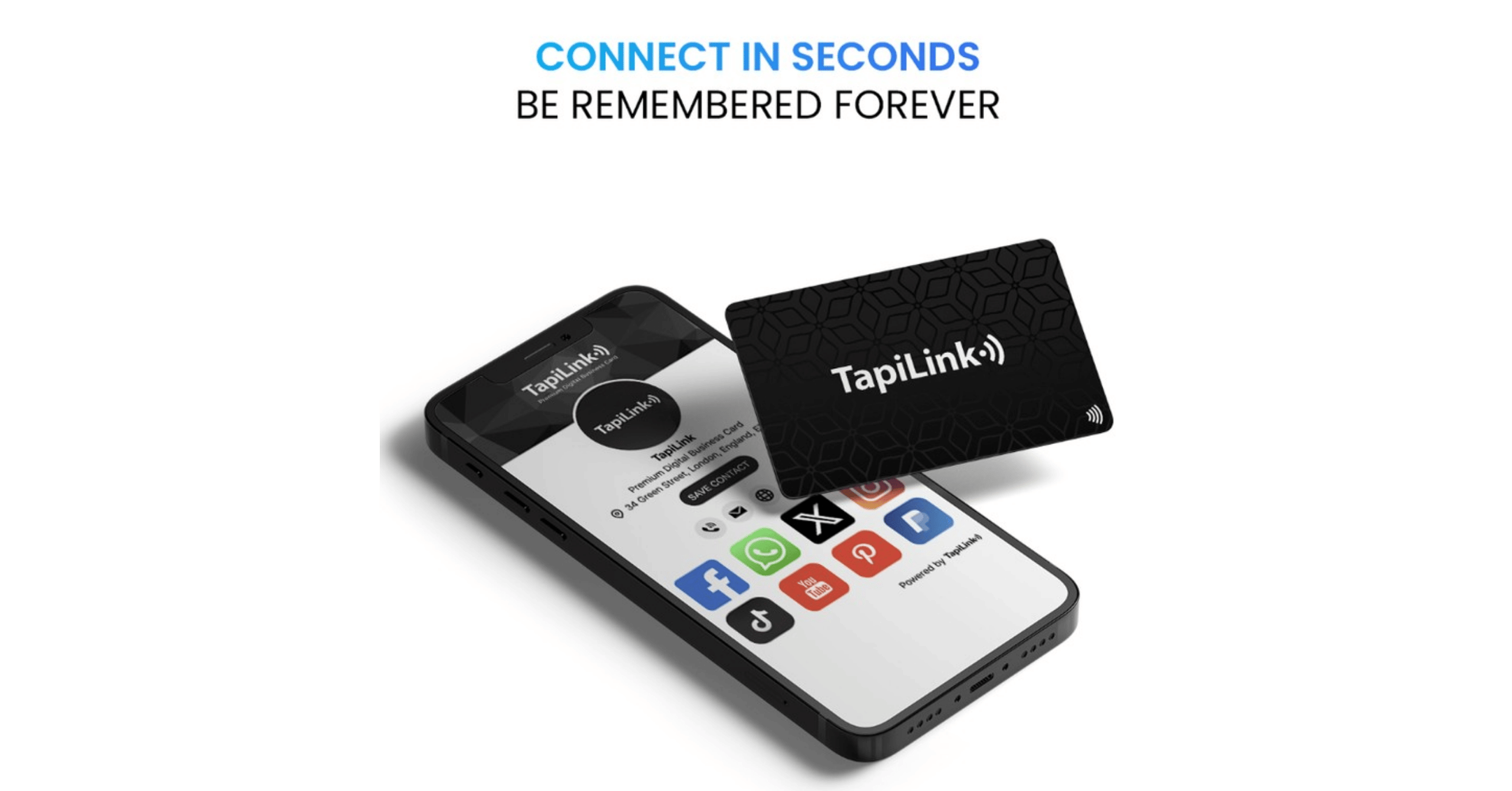
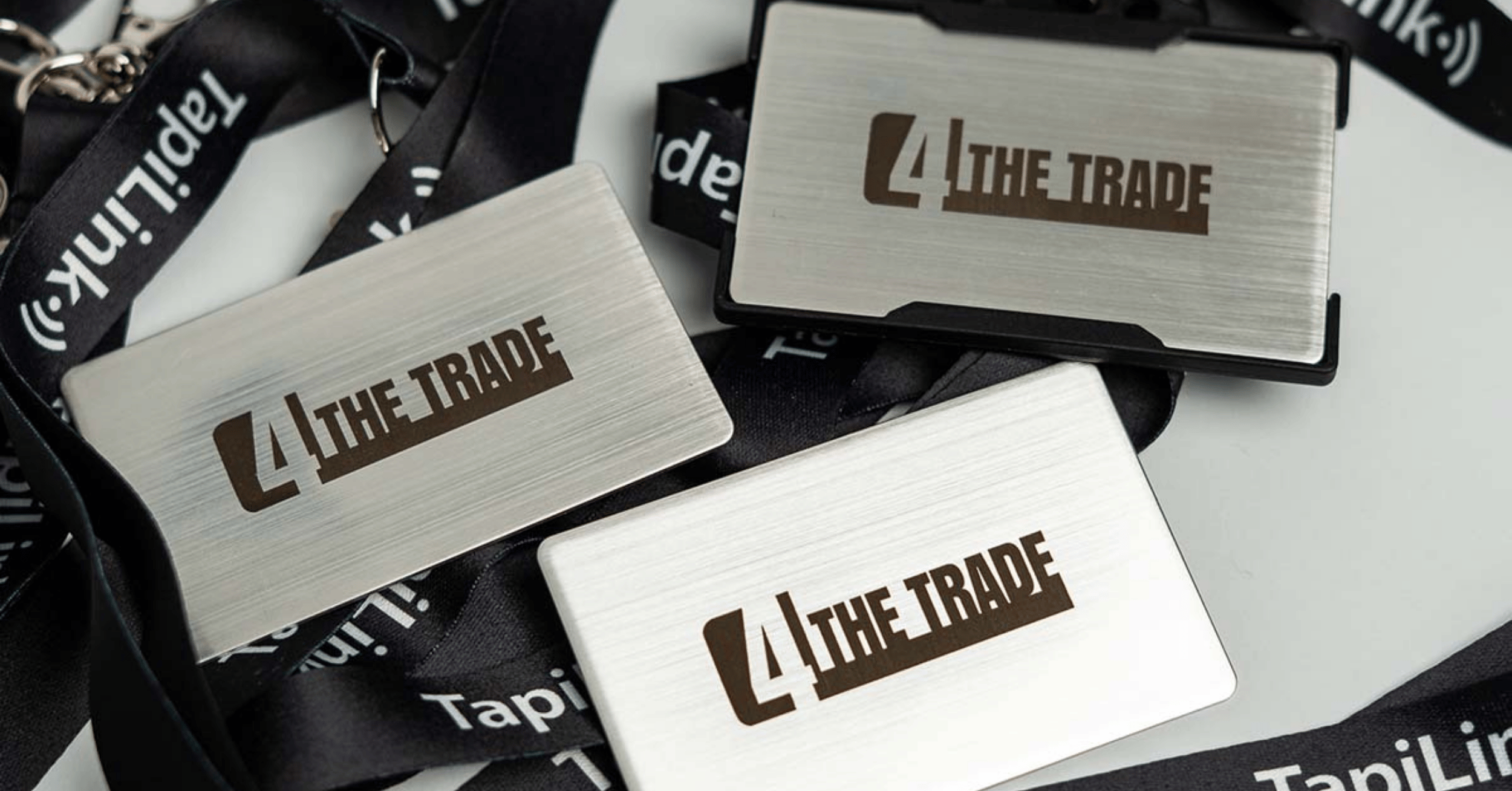
At TapiLink, we produce NFC metal digital business cards in a range of finishes, including engraved black metal, brushed silver, and 24k gold, for UK professionals who want a card that works as hard as they do. Every card is a one-time purchase with no subscription fees, free custom design, and next-day UK delivery. The card lasts. The profile updates online. Nothing gets thrown away.
In this blog, we'll cover what makes metal cards genuinely durable, how long they realistically last, how the sustainability argument stacks up against paper and other card materials, and what to look for when choosing a metal NFC card in the UK.
What Makes Metal Cards So Durable?
The answer starts with the material itself. Metal is not durable by accident. The properties that make stainless steel, aluminium alloys, and black-coated metal useful in engineering and architecture are the same properties that make them excellent for business cards.
The Material Properties That Matter
Stainless steel resists corrosion. It does not rust when exposed to moisture. It does not degrade when carried in a pocket alongside keys, coins, or other metal objects. The surface holds its integrity across thousands of contact interactions without the kind of visible deterioration that affects paper cards within days.
Black-coated metal cards use a protective coating applied over the base metal that bonds at a molecular level. The coating resists scratching under normal handling conditions. It does not peel or bubble the way surface-printed finishes on PVC cards can. And laser engraving cuts directly into the metal beneath the coating, which means the text and logo on the card are permanent in a way that printed or foil-stamped designs simply are not.
Gold-finish and silver-finish metal cards use electroplating or physical vapour deposition processes that bond the finish to the base metal with a level of adhesion that holds across years of regular use. The finish does not flake, scratch off, or discolour under normal conditions.
How Metal Cards Handle Daily Wear
A metal card lives in wallets, jacket pockets, bags, and cardholders. It gets handled multiple times a day, often by people who are meeting it for the first time and examining it closely. Under those conditions, the differences between materials become visible very quickly.
Paper cards develop creased edges within days. PVC cards scratch and develop surface marks across their faces and edges over months of use. Metal cards accumulate none of these visible signs of wear at any comparable rate.
Place a metal card and a PVC card side by side after six months of equivalent use. The PVC card shows its age. The metal card looks essentially the same as the day it was produced. That consistency matters, because a worn networking card undermines the professional impression it is supposed to create.
What Actually Damages a Metal Card
Honest answer: very little under normal use. Metal cards can be bent if significant force is applied, though the heavier gauge metals used in premium cards resist bending under any realistic handling scenario. Deep gouges from sharp objects held directly against the card surface will leave marks, though this is not something that happens in normal professional use.
The most realistic form of visible wear on a metal card over time is minor surface scratching from contact with other objects in a wallet or bag. In practice, carrying a metal card in a dedicated card holder or slot prevents even this. Most professionals who own metal cards treat them differently from paper cards precisely because they recognise the quality of what they are carrying.
How Long Do Metal NFC Business Cards Actually Last?
The honest answer here matters. Not marketing language. Actual lifespan.
Lifespan vs Paper and PVC Cards
Paper cards have a functional lifespan measured in days or weeks before physical degradation makes them look unprofessional. Most people who carry them replace batches every few months, either because the cards wear out or because details have changed.
PVC cards are more durable. A quality PVC NFC card used carefully can look presentable for one to two years. After that, surface scratching and edge wear start to show, particularly on lighter coloured cards where marks are most visible.
Metal cards, maintained normally, last indefinitely. There is no physical degradation timeline that applies to a well-made stainless steel or black metal card under professional use conditions. The card does not expire. The material does not deteriorate. The engraving does not fade.
The NFC chip embedded within the card carries no battery and has no moving parts. It reads correctly every time the card is presented to a compatible device, whether that is day one or year five. Chip failure in quality NFC metal cards is not a realistic concern under normal use.
The Engraving Question - Does It Fade?
This question comes up often. The answer depends entirely on how the card was made.
Laser engraving cuts directly into the metal surface. It is not a coating that sits on top and can wear away. The engraved detail is as permanent as the metal itself. It does not fade, blur, or become harder to read with use. A laser-engraved name on a metal card looks identical in year three as it did on the day the card was produced.
Printed finishes on metal cards, where the design sits on the surface rather than being cut into it, are a different matter. Surface printing on metal is more vulnerable to wear than laser engraving, and in cheaper products, the printing can show wear within months. This is worth checking before buying. Our TapiLink metal cards use laser engraving, not surface printing, for exactly this reason.
The Sustainability Case for Metal Cards
Durability and sustainability are connected in a way that is not always obvious. The longer a product lasts, the fewer times it needs replacing, and the lower its cumulative environmental impact becomes.
One Card, Many Years, No Reprints
This is the core of the sustainability argument for metal cards.
A professional who networks actively and uses paper cards reprints roughly twice a year as details change, cards get worn, or branding is updated. Over five years, that is ten separate print runs. Each run uses paper stock, ink, packaging, and delivery logistics. Most of the cards from each run end up in landfill.
A metal NFC card produces none of that after the initial purchase. The physical card never changes. The digital profile updates online whenever details change. No reprinting. No new packaging. No delivery for the update. No cards discarded because the phone number changed.
The cumulative environmental difference across a five or ten-year professional career is significant. Not because a single metal card is zero-impact, but because it replaces a recurring cycle of production and disposal that compounds with every reprint.
The Environmental Cost of Paper Card Cycles
Seven million trees are cut down annually to produce business cards globally. That figure, tracked by the print industry and environmental research bodies, represents a continuous rather than one-time environmental cost. Because paper cards degrade and become obsolete, the production cycle never stops.
88% of paper business cards are thrown away within 24 hours of being received. That is not occasional. That is the norm. The production cycle feeds an almost immediate disposal cycle, which makes the environmental cost of each print run nearly impossible to justify on a materials-used-vs-value-retained basis.
Metal cards break this cycle at the source. One production event, used over many years, with no reprint cycle to sustain.
Metal at End of Life - Recyclability
This is where an honest account of metal card sustainability requires nuance.
Metal is recyclable. Stainless steel, aluminium alloy, and most metals used in business card production can be processed through standard metal recycling streams. The base metal retains value and can be repurposed.
The NFC chip embedded within the card contains small amounts of electronic material and is not recyclable through standard household recycling. This is a real consideration. However, the chip is produced once and operates for the entire lifespan of the card, generating no ongoing electronic waste during use.
Compare that to paper cards, which cannot be recycled if they carry UV coatings or laminates, go to landfill, and are replaced repeatedly throughout a professional's working life. The net environmental position of a metal card across its lifetime, including end of life, remains more favourable than repeated paper print cycles.
Are Metal Cards Truly Sustainable Compared to Other Options?
A fair analysis covers all the options. Metal cards are more durable than paper and PVC. But how do they compare to bamboo, wood, and biodegradable alternatives on the sustainability dimension?
Metal vs PVC - Which Has the Lower Lifetime Impact?
PVC is plastic. It does not biodegrade. At the end of life, it goes to landfill and persists for hundreds of years. The manufacturing process for PVC also involves chlorine chemistry that produces toxic byproducts.
Metal production is energy-intensive but produces a material that is recyclable at end of life and that lasts far longer than PVC under equivalent use conditions. A metal card used for five years and then recycled has a different end-of-life story than a PVC card used for two years and sent to landfill.
For professionals choosing between PVC and metal on sustainability grounds, metal is the stronger choice when viewed across the full lifecycle.
Metal vs Bamboo and Eco Cards - An Honest Comparison
Bamboo and biodegradable cards are the most environmentally sound physical card option available. Bamboo is renewable, grows rapidly, requires no pesticides, and biodegrades at end of life without leaving persistent material residue. Our NFC Eco-Friendly Digital Business Cards range offers these options for professionals whose primary concern is environmental impact.
Where metal cards outperform bamboo and eco cards is on durability and longevity. A bamboo card used in high-volume networking conditions shows wear more quickly than metal. In terms of raw physical resilience, metal lasts longer.
The honest position: if your priority is the lowest environmental footprint at end of life, bamboo or biodegradable is the right choice. If your priority is the longest possible lifespan with the highest durability and the lowest reprint replacement rate, metal wins. Both are significantly better than paper. Both are better than PVC.
The Durability and Sustainability of Metal Cards in Professional Use
Material properties matter. But so does context. Here is how the durability and sustainability of metal cards plays out in real professional scenarios.
High-Volume Networking Professionals
A conference speaker who attends four industry events a month hands their card to dozens of people at each one. That is potentially hundreds of card interactions per month. A paper card would not survive that volume in good condition for more than a few weeks. A PVC card would show surface wear within months.
A metal card handles that volume without visible degradation. The same card that looked sharp at the first event of the year looks equally sharp at the last. That consistency is not cosmetic vanity. It is a reflection of consistency in professional standards.
Client-Facing Industries Where Card Quality Is Noticed
Lawyers, wealth managers, senior estate agents, and executives in premium services operate in environments where the quality of every detail is noticed and interpreted. A worn card handed to a high-value client sends a message about standards, even if that message is unconscious.
A metal card in those contexts does not just last longer physically. It maintains its signal value over time. The card that impressed a client on first meeting impresses equally when they pull it from their cardholder six months later to make a referral.
That longevity of impression is a business case in itself.
What to Look for When Buying a Durable Metal NFC Card in the UK
Not every metal card on the market delivers genuine durability. Here is what to check.
Material Grade and Finish Quality
The base metal matters. Thin gauge aluminium cards are lighter and cheaper but flex under pressure and show surface wear more readily than stainless steel. A quality metal NFC card uses a heavier gauge material that does not flex under normal handling and maintains its flat profile over years of use.
Finish quality on coated cards, whether black, coloured, or brushed, depends on the bonding process. A properly bonded coating resists daily handling without visible deterioration. Ask the supplier whether the finish is sprayed, electroplated, or applied through physical vapour deposition. The latter two processes bond at a level that makes the finish substantially more durable.
Engraving vs Printing - Which Lasts Longer?
Laser engraving. Every time.
Engraving removes material from the metal surface to create the design. It cannot fade, peel, or wear away without physically removing the metal itself, which does not happen under any normal use condition. Printing sits on top of the surface and is vulnerable to abrasion over time.
For a card you intend to use for years, the engraving method is not a minor detail. It is the difference between a card that looks identical in year three and one that shows visible wear across the design elements within months.
Chip Placement and Long-Term NFC Reliability
The NFC chip position within a metal card determines whether it reads consistently or intermittently. Metal can interfere with the NFC signal if the antenna is not positioned and sized correctly for the card dimensions. Quality manufacturing accounts for this. Budget alternatives often do not.
A card that works nine times out of ten is not good enough. The one failed tap in front of a client or at a networking event undermines the entire purpose. Ask suppliers whether their metal cards are batch-tested for NFC reliability before shipping.
Every TapiLink metal card includes a QR code as backup. If a device does not support NFC tap, the scan works. Nobody gets left out of the connection regardless of their device.
TapiLink's Metal Card Range - Built for Longevity
Our metal card range covers the finishes that matter most to UK professionals, each laser-engraved, NFC-enabled, and backed by a dynamic profile system with no subscription fees.
The Black Metal Engraved Digital Business Card is our most requested finish. The black coating bonds firmly to the metal base, and the laser engraving cuts through to create sharp, permanent contrast between the design and the surface. It suits professionals across law, finance, technology, and creative direction.
The Metal Brushed Silver Digital Business Card uses a directional brushed finish that catches light subtly and reads as premium without being loud. The brushed surface is less susceptible to visible fingerprints than a mirror-polished finish, which makes it a practical choice for high-contact use.
The Metal 24k Gold Digital Business Card is for the professionals who understand that in certain rooms, the card you hand over carries its own argument. The gold finish is applied at a level that holds its colour and lustre across years of normal use.
All three carry the same NFC chip and QR code. All three link to the same style of dynamic profile. The difference is entirely in the material and the impression it creates.
Explore the full range of NFC Metal Digital Business Cards to compare finishes and find the right match for your professional brand.
Conclusion
The durability and sustainability of metal cards make a clear case that is easy to understand once you look at the full picture rather than just the upfront cost.
One metal card, produced once, used for years, updated digitally whenever details change, replaces a recurring cycle of paper production, print runs, and disposal that compounds in both cost and environmental impact across a professional career.
TapiLink produces laser-engraved NFC metal business cards for UK professionals who want something that lasts, performs, and leaves an impression that paper never could. Free custom design, next-day UK delivery, no subscriptions, and a dynamic profile you control yourself. Every card is built for longevity, not for the bin.
The professionals who switch to metal do not go back. The card works better, lasts longer, and says something before a word is spoken.
Browse our full range of NFC Metal Digital Business Cards and find the finish that fits your professional brand.
Frequently Asked Questions
Question: How long do metal NFC business cards last compared to paper or PVC?
Answer: Metal cards last indefinitely under normal professional use. There is no realistic physical degradation timeline for a quality stainless steel or black metal card used in standard networking and client-facing contexts. Paper cards degrade visibly within weeks and become obsolete when details change. PVC cards typically show surface wear after one to two years. Metal cards simply do not have an equivalent wear cycle, which is why they are a genuinely different investment rather than just an upgrade in appearance.
Question: Are metal business cards sustainable?
Answer: Yes, when measured across their full lifetime. A single metal card replaces multiple paper print cycles, eliminating the recurring production, packaging, delivery, and disposal costs associated with each reprint. Metal is also recyclable at end of life, unlike laminated or UV-coated paper cards, which go to landfill. The most environmentally sound choice in the NFC card range overall is bamboo or biodegradable material, but metal delivers significantly lower lifetime impact than paper or PVC.
Question: Does the engraving on a metal business card fade over time?
Answer: No. Laser engraving cuts into the metal surface itself rather than sitting on top of it as a printed or coated layer. The engraved design cannot fade, peel, or wear away under any normal use condition. The contrast between the engraved area and the card surface remains sharp and clear for the full lifespan of the card, which makes laser-engraved metal cards a meaningfully more durable option than printed alternatives.
Question: Can metal business cards be recycled?
Answer: The base metal in stainless steel and aluminium alloy metal cards can be processed through metal recycling streams. The NFC chip contains small amounts of electronic material that is not recyclable through standard household collection. The most responsible end-of-life approach is to use the card for as long as possible, which given metal card durability is typically many years, and then dispose through a metals recycling facility rather than general waste.
Question: Do NFC chips in metal cards work as reliably as in PVC cards?
Answer: Yes, when manufactured correctly. The key variable is chip placement. Metal can interfere with the NFC signal if the antenna is not correctly positioned and sized for the card dimensions. Quality manufacturers test for this. Budget alternatives often skip batch testing, resulting in inconsistent tap performance. All TapiLink metal cards include a QR code backup, so even in the rare event of a compatibility issue with a specific device, the connection is never lost.
Ready to revolutionize your networking approach? Explore TapiLink's range of premium NFC business cards and join the thousands of professionals who've already made the smart choice.