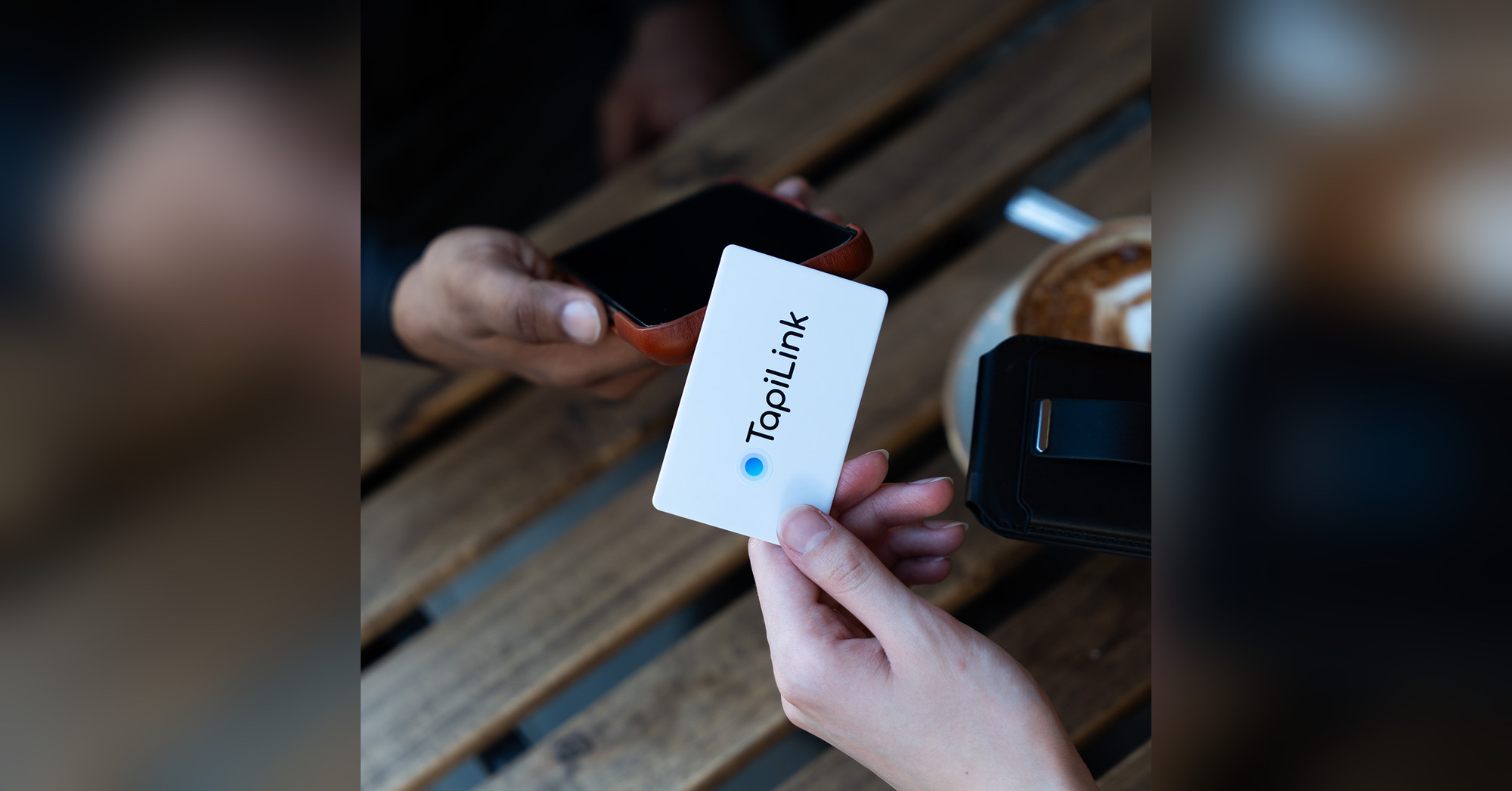
Paper cards are relics of an age when people still carried chequebooks. Even today, many professionals hand out slips of card stock only to see them vanish into purses and pockets, never to be used. In the UK, almost four out of ten payments in 2024 were made using contactless methods, and half of all adults regularly used mobile contactless services like Apple Pay or Google Pay. That tap‑and‑go habit extends far beyond payments. It signals a shift: people expect instant, frictionless interactions in every part of life, including networking. If your goal is to connect with a prospect or client and make it easy for them to follow up, handing them a printed card with static text feels like asking someone to mail you a letter.
A digital business card is a dynamic tool that lives both in your hand and online. It looks like a sleek physical card often made of PVC, metal or sustainable wood but instead of cramming text into a tiny space, it contains a QR code, a tap‑enabled chip or a simple link to a personalised web profile. When someone scans or taps the card with their smartphone, your contact details, website, social profiles and even booking forms appear instantly. There is no app to download. No typing, no mistakes. It is networking made effortless.
At TapiLink we offer an array of digital business cards built for UK professionals and small businesses. Each card includes both a QR code and an optional NFC chip, giving recipients two ways to connect. You create a digital profile through our secure dashboard, customize it with your branding, and update it anytime. We manufacture and ship from the UK, offer free design support and never charge subscriptions. Our promise is simple: one tap, one scan, one link.
In this blog, we will dive deep into digital business cards. We will explain how they work, why they matter for UK businesses, what types of cards are available, and how to choose the right one. You will see real examples, industry‑specific applications, best practices and a look ahead at what is coming next. You will also learn why our QR Code Business Cards and NFC + QR hybrid cards stand out, and how our Virtual Business Card Platform lets you manage it all in one place.
Understanding Digital Business Cards
What makes a card “digital”?
The term “digital business card” covers a range of tools. At its core, a digital card is a physical or virtual object that delivers your professional details via a mobile device. The simplest versions display a QR code printed on the card. When scanned, it launches a web page with your contact information. More advanced cards embed a small NFC chip alongside the QR code. This chip uses the same technology found in tap‑to‑pay cards. It allows someone to tap your card on their phone and immediately open your profile. Because mobile contactless payments reached half of the UK adult population in 2024, tapping feels natural to most people.
Virtual cards take it one step further. You might not hand someone a physical object at all; instead, you send them a link or a QR code via email or social media. They scan it and see your digital profile. This is ideal for fully remote networking webinars, online conferences or LinkedIn connections.
How QR codes and NFC work together
QR codes are square barcodes that your phone’s camera reads. They are reliable and work on every modern smartphone. NFC (Near‑Field Communication) chips transmit data when they come within a few centimetres of another NFC‑enabled device. NFC is extremely convenient because it requires no camera and no steady hand; one tap and the information appears. Combining QR and NFC means no recipient is excluded: if their phone lacks NFC, they can still scan the code. Our PVC Digital Business Cards integrate both technologies seamlessly. You decide which method you prefer, but your contacts can choose what is easiest for them.
Why dynamic profiles beat static information
A printed card freezes your details in time. If you change jobs, phone numbers or decide to launch a new venture, you need new cards. A digital card solves that. You control a profile page where you can edit your information at any time. When your contact taps your card a month later, they see the updated version. This is not just convenient; it prevents lost opportunities. It is infuriating when a client tries to call a number that no longer exists. With a digital card, that never happens.
A brief history of networking tech
Business cards date back centuries. In Victorian England, calling cards signalled status. In the mid‑20th century, corporate cards became ubiquitous. Now the world is shifting again. 88% of the UK adult population used at least one form of remote banking in 2024 and 75% used mobile banking. People are comfortable managing their finances and identities through their phones. Networking is following suit. When contactless is as ordinary as breathing, scanning a QR code or tapping a card is second nature. Printed cards are stuck in a world of pens and filing cabinets. Digital cards align with how people already behave.
Why UK Businesses Need Digital Business Cards
Instant action in a contactless world
Think about the last time you tried to follow up with someone after an event. Maybe you found their paper card at the bottom of a bag days later and could not remember who they were. Digital cards fix that. One tap saves everything to your phone. A café owner in Brighton handed her card to a supplier, who scanned it on the spot and bookmarked the ordering page. That saved a phone call. In a market where almost four out of ten UK payments in 2024 were contactless, people expect quick results. Removing friction increases the chance of follow‑up. Our cards do that.
Making a professional impression
What you hand over says as much about you as what you say. A flimsy card printed on thin paper suggests you cut corners. A Metal Digital Business Cards etched with your logo says the opposite: you value quality. Even our PVC cards are thicker and more durable than average. When you hand someone a card that instantly opens your portfolio or review page, you show that you are tech‑savvy and forward‑thinking. Prospects notice. They often remark on the card before reading your job title. In a crowded market, standing out is not optional; it is a survival tactic.
Sustainable networking
Millions of paper cards end up in bins every year. Production consumes energy, ink and trees. Switching to a reusable card reduces waste. Our Eco Friendly Digital Business Cards are made from bamboo, biodegradable plastics and other sustainable materials. They are designed to last for years. Every order plants a tree through our partnership with reforestation programmes. Customers appreciate businesses that take responsibility for their carbon footprint. When a yoga studio owner hands a client a bamboo card and says, “Tap here to see my class schedule,” it starts a conversation about values as much as services. That matters to a growing segment of eco‑conscious consumers.
Always up to date and multi‑platform
A digital card does not just hold your phone number. It can link to your website, email, LinkedIn, Instagram, booking system and review sites. Half of UK adults regularly used mobile contactless services in 2024, but they also bounce between multiple apps and platforms. Our cards allow you to give them options. Someone might prefer to send you a WhatsApp message rather than fill out a form. Another might want to read your case studies before booking a consultation. You can offer all of this in one place. If your details change, you edit your profile. No reprints, no waste.
Aligning with digital habits
The digital economy is not just for youngsters. 88% of the UK adult population uses remote banking and 75% uses mobile banking. People of all ages are comfortable scanning and tapping. When you adopt digital networking tools, you meet your clients where they are. You also signal that you are serious about security. The protocols behind NFC and QR codes are widely used in payments. They are trusted. They have to be. This trust transfers to you when you use the same technology for your card.
Types of Digital Business Cards: Formats and Materials
QR Code Cards: Simple and Universal
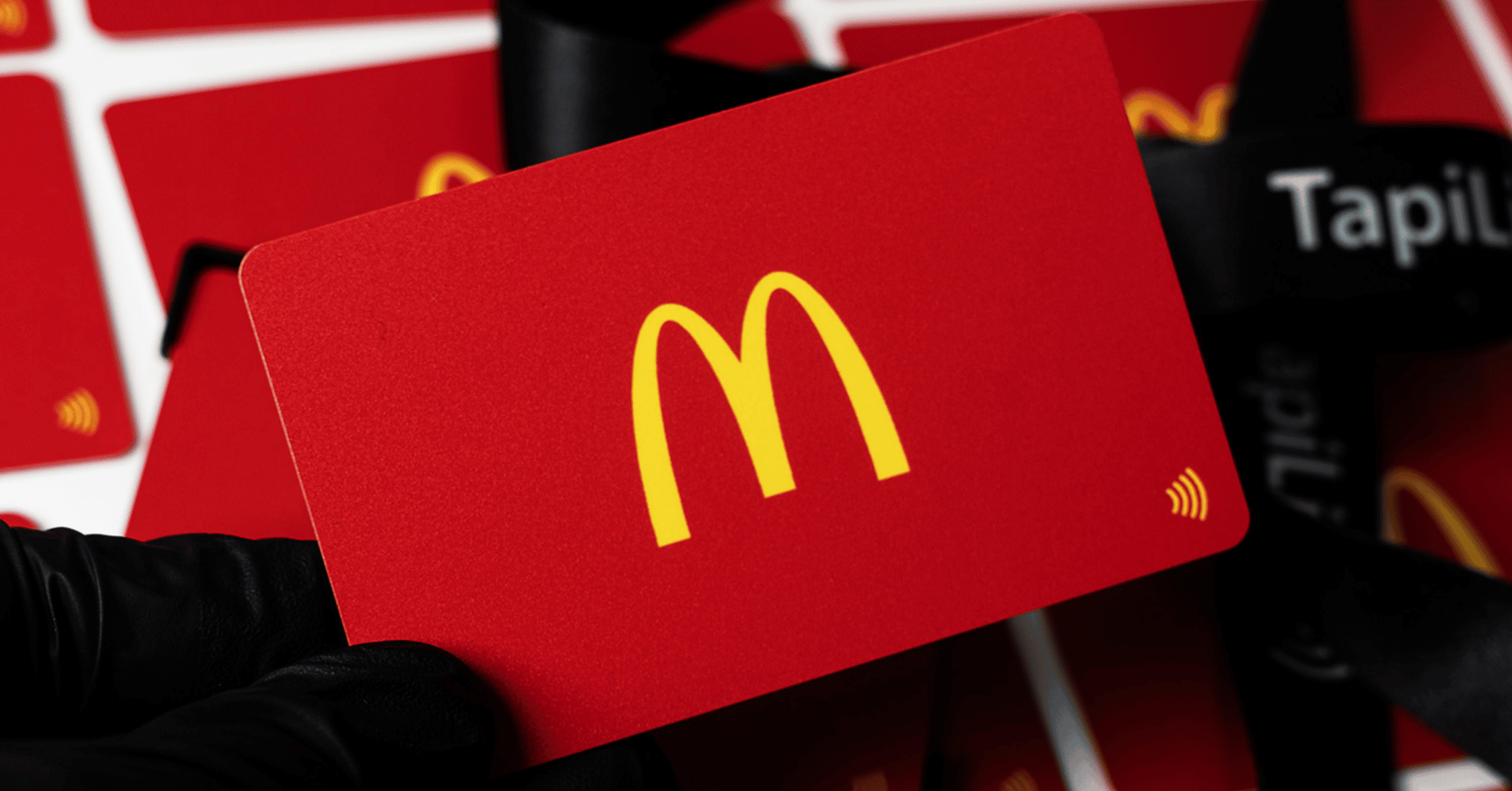
The simplest form of digital card prints a QR code on a durable material. When scanned, it takes users to your digital profile. There is no chip inside. Because every smartphone can read QR codes, this format covers all bases. Our PVC Digital Business Cards are the ideal entry‑level option. They are affordable, water‑resistant and customisable. You can choose colours, add your logo and even feature a background image. Despite the low price, the card feels premium. Professionals who attend lots of events often start with PVC because they do not worry about it getting scratched in their wallet.
Hybrid Cards: NFC + QR = Flexibility
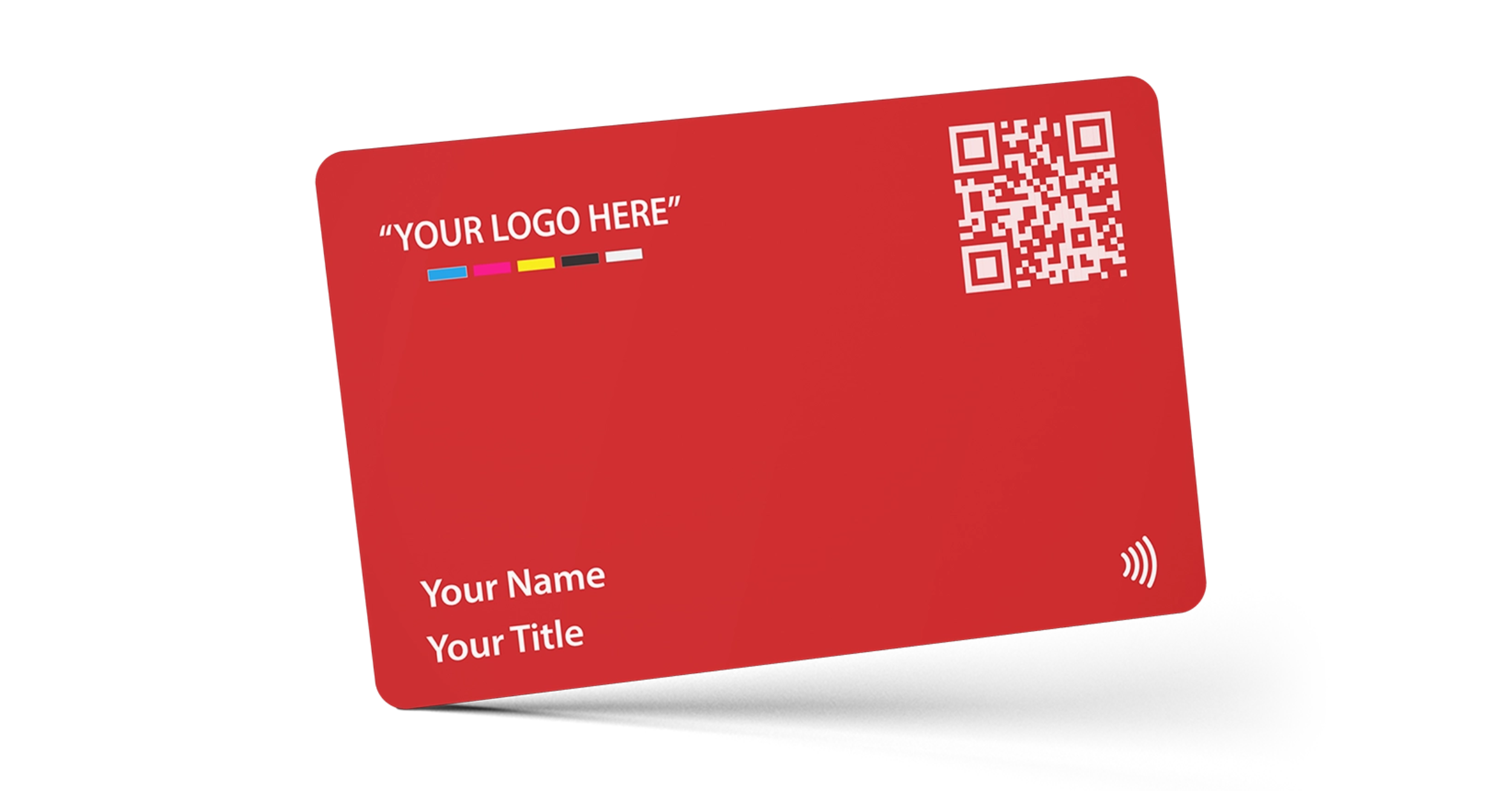
If you want the convenience of tapping and the universality of scanning, hybrid cards are the answer. These cards embed an NFC chip and print a QR code. When your contact taps the card, it opens your profile instantly. If they prefer to scan, the code works too. Hybrid cards are the backbone of our range. The Standard NFC Business Card corresponds to our TapiLink Original Digital Business Card and includes both technologies. You can customize the design and choose from several finishes. For those who crave an extra touch of luxury, our Black Premium PVC Digital Business Card adds a sleek, matte finish and optional engraving.
Virtual Business Card Platform: Fully digital
Not every interaction happens in person. Sometimes you connect with someone on LinkedIn or during a video conference. For those cases, our Virtual Business Card Platform lets you share a digital link instead of a physical card. You create and manage multiple profiles, each with its own custom URL. When you send the link, recipients see the same profile they would if they tapped your card. You can even generate a QR code to embed in email signatures or marketing materials. The platform is useful for teams: managers can oversee and update profiles for multiple employees. It is also great for remote freelancers who rarely carry physical cards.
Material choices: PVC, metal and eco‑friendly
Beyond functionality, the feel of a card matters. PVC is lightweight, durable and inexpensive, a practical choice for everyday networking. Metal cards exude prestige; they are heavier and etched with precision. Metal Digital Business Cards are ideal for executives and creatives who want to make a statement. Our Wooden Digital Business Cards, crafted from sustainably sourced black walnut and other wood varieties, offer a warm, tactile alternative. Each card carries a unique natural grain pattern, making it genuinely one‑of‑a‑kind. For those who want to go further, our dedicated Eco Friendly Digital Business Cards use biodegradable materials designed to minimise environmental impact. Choosing a material is about matching your brand personality with the tactile experience you want to deliver.
How to Choose the Right Digital Business Card
1. Define your purpose and audience
Not all cards are created equal. Begin by asking yourself why you need a digital card. Are you a freelancer looking to impress high‑end clients? A hybrid card in metal could suit you. Do you run a busy salon where cards might get wet or dropped? A PVC card with a clear QR code is practical. Are you targeting eco‑conscious customers? Choose bamboo. Also consider the preferences of the people you meet. A tech startup founder may appreciate an NFC tap, while a community organiser may be more comfortable with QR scanning.
2. Decide what to link
Your profile can host multiple links. Start with your essential contact details: phone, email and address. Add your website and social platforms. If reviews influence your business (and they often do 75% of consumers always or regularly read online reviews when researching a local business), include links to Google, Facebook, Trustpilot or TripAdvisor. If you sell products, link to your shop. For bookings, integrate your calendar. Less is not always more; people appreciate options. But arrange your links thoughtfully: prioritise the most important actions at the top.
3. Consider design and branding
Your card should be an extension of your brand. Use colours and typography consistent with your website and signage. Place your logo prominently but leave room for the QR code. On metal cards, engraved designs stand out. On PVC, printing allows for vibrant colours. For example, a florist might print a soft pastel gradient, while an accountant might choose minimalist black and white. If design is not your strong suit, our team offers free support. We work with you to create a layout that feels cohesive with your brand identity.
4. Think about durability and feel
When you hand someone a card, they feel its weight and texture. A heavy metal card conveys confidence and permanence. A slim PVC card is easier to carry and less likely to scratch your phone if you keep it in the same pocket. Bamboo feels warm and organic. If your card will live on a keyring or lanyard, consider our smaller tags. Choose the material that matches your lifestyle and the impression you want to leave. Remember, you can always order different styles for different contexts.
Step‑by‑Step: Setting Up and Using Your Digital Business Card
- Create your profile. After you place an order, we email you a link to our dashboard. Log in, upload your logo and headshot, and fill in your contact details. Add links to your website, social media and booking system. Write a short bio or tagline. This takes five to ten minutes.
- Choose your card design. Pick the material, colour and finish that suit your brand. Our system shows a preview so you can adjust until it looks right. For virtual cards, customise the URL and choose a background image.
- Activate your card. When your physical card arrives, tap it on your phone or scan the QR code. Follow the prompts to assign it to your profile. If you are setting up a virtual card, test the link on different devices.
- Test the experience. Ask a friend or colleague to tap or scan your card. Ensure the correct links open and the layout looks good on various phone sizes. Edit your profile if needed.
- Start sharing. Carry your card with you. At a networking event, hand it to someone and invite them to tap or scan. If you are networking online, add the link to your email signature or send the QR code via messaging. Watch as people connect without hurdles.
- Update regularly. Launching a new service? Moving office? Publishing a blog? Log into the dashboard and update your profile. Recipients who have saved your card will see the new information the next time they tap.
- Leverage analytics. Our platform shows how many taps or scans your card receives and which links get the most clicks. Use this data to refine your messaging. If everyone clicks your portfolio but not your blog, you know where to focus your efforts.
That is the whole setup. It takes less time than ordering pizza. Once done, your networking tool is ready for years of use.
Real‑World Examples and Case Studies
Marketing consultant in Leeds
Jenny, an independent marketing consultant, attends several networking events each month. She used to hand out glossy paper cards that matched her brand colours. She noticed most people would smile, take the card and never follow up. She switched to a QR Code Business Card printed on PVC with a crisp design. At a recent chamber of commerce breakfast, she told a café owner, “Scan this and you will see my portfolio.” He did, right away. He looked through her case studies on his phone while they chatted. He booked a consultation the next week. Jenny credits the instant access for securing that client. “People want to see proof before they commit,” she says. “When they can view it on their phone while you are still standing there, they make decisions faster.”
Vintage clothing shop in Edinburgh
Ella runs a vintage clothing shop in Edinburgh’s Old Town. Her customers are tourists and locals who love unique finds. She placed an NFC + QR Hybrid Card at the checkout counter. The card links to her Instagram, Google review page and loyalty programme. Whenever someone compliments a jacket, she encourages them to tap the card. Because the action takes seconds, many customers leave a review before leaving the shop. Within two months, her Google rating improved and foot traffic increased. It also saved her time: instead of typing out her Instagram handle, she simply points at the card. “It is so small but so powerful,” she notes.
Yoga instructor in Bristol
Ravi teaches yoga at studios across Bristol. He often meets potential clients at community events where he cannot carry lots of paper. He uses our Virtual Business Card Platform. He created a custom URL and saved it as a widget on his phone. When someone asks for his details, he opens his own link, and the other person scans the QR code with their camera. The profile links to his class schedule, booking form and YouTube channel of guided meditations. “It feels like magic,” he says. “I do not have to remember to carry cards, and people can save me to their contacts in seconds.” He even prints the QR code on his flyers so that passers‑by can scan and sign up for a class.
Estate agency in Manchester
An estate agency in Manchester adopted a hybrid approach. Agents carry Metal Digital Business Cards to hand out at viewings. Each card links to the agent’s listings, mortgage calculator and contact form. The agency also attaches QR code stickers to For Sale signs. Pedestrians walking by can scan the code and view virtual tours. This has increased enquiries from passers‑by who previously would not have taken the time to call. In a competitive housing market, capturing these casual browsers is crucial. Agents report that many leads now start with a scan rather than a phone call.
Advanced Uses: More Than Just Contact Sharing
Automate lead capture
You can set your card’s link to open a form that collects names and email addresses. When a potential client scans your card, they enter their details and automatically join your mailing list. The information flows directly into your CRM. This is perfect for exhibition booths, pop‑up shops or seminars. For example, a London events company uses our platform to register attendees at networking drinks. By the time the event ends, they have a list of warm leads.
Deliver digital content
Your card can lead to more than a contact page. You could link to a welcome video, a downloadable ebook, a discount code or a product demo. Some creative professionals link to a short film or a virtual reality experience. A personal trainer might link to a free workout routine. The key is to offer something valuable that encourages recipients to engage further. When people get something tangible for scanning, they remember you.
Build loyalty programmes
Small businesses can turn digital cards into loyalty cards. Each time a customer scans your card, they collect a stamp. After a certain number of scans, they unlock a reward. Because the record lives in the cloud, it cannot be lost or forged. Our platform handles the tracking. A smoothie bar in Cardiff set up a digital punch card; customers scan the card with each purchase and receive a free smoothie after six visits. It has replaced paper stamp cards and improved retention.
Manage teams and profiles
If you run a company with multiple staff members, you can issue cards to each person and manage them centrally. You update contact details, job titles and links from the dashboard. When an employee leaves, you reassign their card to someone else. This saves you from printing new cards and ensures brand consistency. Marketing agencies, law firms and consultancies love this feature. It keeps everyone on the same page, literally and figuratively.
Integrate reviews and ratings
Reviews drive decisions. 75% of consumers regularly read online reviews when researching a local business. By linking your card to your review profiles, you encourage satisfied customers to leave feedback immediately. Pair your digital card with our QR And NFC Review Stands at your reception desk. A dental practice in Nottingham asks patients to scan the stand while booking their next appointment; the same link is available on the dentist’s digital card. This integrated approach makes it easy for people to share positive experiences while they are still thinking about you.
The Technology Behind Digital Cards and Data Security
Digital cards rely on technologies developed for far more sensitive tasks. The NFC chips we use operate at 13.56 MHz, the same frequency used for contactless payments and electronic passports. They draw power from the user’s phone and do not broadcast unless touched by an NFC reader. The QR codes simply encode a URL. Neither method stores personal data. When someone scans or taps your card, their phone reads the link and opens a secure webpage hosted by TapiLink. The card cannot access any information from their device.
We host your profile on encrypted servers. We adhere to industry standards for data protection. The only data captured is what you choose to collect, such as the number of taps or optional form submissions. If your card is lost, you can deactivate it via the dashboard. No one can alter the link without your login. Because the chip stores only a small bit of data often under 1 kilobyteit cannot hold malicious code. Using the same protocols trusted by banks conveys security by default, which is why contactless adoption is so high.
Industry‑Specific Applications in the UK
Hospitality: Restaurants and cafés
Dining establishments thrive on reviews and repeat visits. A bistro in Glasgow printed their menu as a QR code card. Diners scan to view the menu, filter dishes by dietary requirements and leave a Google review after paying. Because contactless habits are entrenched, almost four out of ten UK payments in 2024 were contactless customers who were comfortable using their phones at the table. The bistro also uses digital cards for loyalty; each scan adds a stamp. Return visits increased by 18% after the switch.
Beauty: Salons and barbers
Hairdressers rely on word of mouth. A salon in Birmingham gives each stylist a hybrid card linking to their portfolio, price list and booking system. After a cut or colour, clients tap the card to schedule their next appointment and leave a review. Because the process happens before they leave the chair, the salon’s Google rating improved from 4.1 to 4.8 in four months. Stylists also hand out the card at trade fairs, connecting them with new clients and other professionals.
Accommodation: Hotels and B&Bs
Boutique hotels often struggle to collect feedback from guests. A bed‑and‑breakfast in Bath hands out bamboo cards at check‑in. Guests tap to access Wi‑Fi, view local recommendations and book spa treatments. At checkout, the same card opens a TripAdvisor review page. Given that 72% of travellers always check reviews before booking a stay, making this process easy is vital. The B&B saw its rankings climb within a season. They also print the QR code on guest receipts to reach those who misplace the card.
Healthcare: Clinics and practices
Trust drives healthcare decisions. A physiotherapy clinic in Edinburgh issues digital cards containing aftercare exercises, appointment reminders and links to leave feedback. Patients scan the card immediately after their session. Because 59% of people consider online reviews when selecting healthcare providers, this quick review funnel builds credibility. The same card links to a video explaining proper exercise technique, reducing follow‑up calls. As a result, patient compliance improved and new patient referrals rose.
Fitness: Gyms and studios
A gym in Cardiff replaced paper membership cards with digital tags. Members tap the tag at the entrance to register their visit, tap again at the smoothie bar to collect loyalty points and scan their trainer’s card to book sessions. Personal trainers carry metal cards linking to their schedules and nutrition plans. When a new class launches, the gym updates all profiles simultaneously. Membership engagement increased 20% after the rollout because people loved the convenience.
Property: Estate agents and tradespeople
Estate agents are always on the move. A firm in Newcastle prints a QR code on every “For Sale” sign. Passers‑by scanning it to see photos, videos and schedule viewings. Agents carry hybrid cards at viewings; the card links to mortgage calculators, property listings and agency reviews. Tradespeople, plumbers, electricians, builders use PVC cards to display past projects and testimonials. Customers appreciate the transparency. Many leave positive reviews immediately after paying the invoice because the link is right there.
Common Mistakes and How to Avoid Them
- Neglecting updates. Some people treat their digital card like a printed card, set it and forget it. Do not. If your profile lists last year’s price list or an out‑of‑date headshot, you look careless. Put a reminder in your calendar to update your card monthly.
- Not giving clear instructions. Many people still find QR codes and NFC intimidating. Do not assume they know what to do. Hand them the card and say, “Scan this or tap it with your phone.” Those few words dramatically increase engagement.
- Overloading the landing page. A wall of links overwhelms visitors. Put your primary action at the top: a consultation, view portfolio, and leave a review. Place other links below. White space is your friend.
- Ignoring branding. Using mismatched fonts or blurry images is a red flag. Invest in design. A well‑designed card and profile show you care about details.
- Buying cheap generics. Not all digital cards are equal. Low‑quality chips and poor printing result in failed scans and a bad impression. Choose a reputable provider our cards are tested for durability and reliability.
- Missing analytics. Our dashboard tells you which links are getting clicks and how often your card is scanned. Use that data to improve. If no one clicks your review link, maybe you need to ask for reviews more often. If everyone clicks your portfolio, emphasise it more in conversation.
One unexpected mistake? People sometimes hand over the card and immediately take it back because they want to keep it. Relax. Let the other person hold it for a few seconds. The tactile experience enhances memory. That small courtesy goes a long way.
Future Trends in Digital Business Cards
Technology never stays still. Here are trends shaping the next generation of digital networking:
Integration with digital wallets. Apple Wallet and Google Wallet already hold boarding passes and ID cards. Soon, your digital business card could live in your phone’s wallet app. Instead of carrying a physical card, you might tap your phone directly on someone else’s device. This will not replace physical cards entirely, there is something memorable about holding a metal card but it will complement them.
Context‑aware content. Imagine your card recognising the location or time of day when someone scans it and then showing tailored content. At a trade show, the card might display product demos; at your office, it might show a booking form. This is not science fiction. Combining geolocation with dynamic profiles could make networking more personalised.
AI‑driven follow‑ups. Artificial intelligence can analyse who scans your card, cross‑reference their social profiles and suggest customized follow‑up emails or resources. A solicitor meeting a property developer might automatically send case studies on commercial leases. AI can even predict the best time to follow up.
Sustainable materials innovation. Expect more eco‑friendly options beyond bamboo recycled ocean plastics, hemp fibres, mycelium composites. Consumers demand sustainability, and material science is answering. Our R&D team is already testing new substrates that look beautiful and tread lightly on the planet.
Enhanced security and identity features. As digital IDs become mainstream, cards may incorporate cryptographic signatures or biometric verification. This could allow secure document signing or access control. The same chip that transmits your contact details might also unlock a smart lock or authenticate your identity online.
The takeaway? Digital cards will become smarter, greener and more integrated into daily life. Adopting them now gives you a head start.
Calculating the ROI of Digital Business Cards
Investing in digital cards pays off in multiple ways. Consider costs first. A box of premium paper cards might cost £40. If you update your role or phone number, you order new cards. Over a year, you might spend £120 and still hand out cards that end up in the bin. A TapiLink Original Digital Business Card costs about the same as a single box of paper cards, but you buy it once. You update your details for free. Over three years, the paper option could cost you £360. The digital option stays the same.
Now consider revenue. A freelance web designer from Sheffield spent £50 on a PVC card. At a meetup, he tapped his card on an entrepreneur’s phone. The entrepreneur saw his portfolio immediately and hired him for a £3,000 project. That single job paid for the card sixty times over. A dentist who purchased twenty cards for her practice saw her Google rating rise within weeks because patients left more reviews. The higher rating attracted new clients. Each new patient’s lifetime value far outweighed the cost of the card.
There is also an environmental return. Switching to reusable cards avoids the constant consumption of paper and ink. As businesses strive to meet sustainability goals, reducing waste becomes part of their brand story. Customers notice when you make eco‑friendly choices. That goodwill translates into loyalty and referrals.
In short, the ROI is financial and reputational. If you win just one new client because of a digital card, you have already recouped your investment. The longer you use it, the higher your returns.
Integrating Digital Business Cards into Your Marketing Strategy
Digital cards become more powerful when you weave them into a broader marketing plan. Here are strategies that work:
Pair with social media campaigns
Suppose you launch a special offer, free consultation, discount or limited‑edition product. Update the primary link on your digital card to point to the offer page. Then promote the offer on your social channels, telling followers to tap or scan your card when they see you in person for instant access. A florist in Leeds did this before Mother’s Day. Every bouquet sold in‑store included a card linking to a pre‑order form for Father’s Day. The cross‑promotion doubled her pre‑orders compared to the previous year.
Enhance email marketing
When someone scans your card and fills out a contact form, they automatically join an email sequence. Your first email could include a personalised greeting, a free resource or a video introduction. Because the recipient has just met you, your open rates will be higher than random cold emails. A videographer in Liverpool sends a thank‑you email with a behind‑the‑scenes look at his latest project. Prospects love the inside peek and often reply with questions.
Optimise your Google Business Profile
Local search is critical for small businesses. Encourage customers to leave Google reviews by linking directly to your review form from your card. You can also direct them to the “Book an appointment” button on your profile. A dental surgery in Leeds updated their card so that patients could rebook through Google. They filled cancelled appointments faster and reduced no‑shows. Search engines favour businesses with consistent, recent reviews and high engagement, so this tactic can boost your ranking.
Use at events and webinars
At trade fairs, embed a digital brochure or downloadable presentation in your card. People scan it while you speak and follow along on their phones. At online webinars, display your QR code on a slide so attendees can save your details instantly. A tech consultant hosting a virtual workshop on cyber security used a QR code that linked to a resource pack. Participants scanned it during the session and received checklists, tool recommendations and his booking link. He booked three follow‑up consultations as a direct result.
Measure and refine
Check your dashboard regularly. If your portfolio link gets double the clicks of your blog, consider swapping the order or adjusting your call to action. If your review link rarely gets taps, maybe you need to ask verbally. Data is your friend. Marketing is not guesswork. Use the insights to experiment and improve.
Integrating your digital card into your marketing efforts is not complicated. It requires intention. When you align offline interactions with online campaigns, you create a seamless customer journey. People notice the coherence. They also appreciate the convenience.
Why TapiLink Stands Out
You can buy digital cards from various providers. Here is why we believe our offering is the smartest choice for UK professionals and businesses:
- UK manufacture and fast delivery: We produce our cards locally, so you avoid customs delays and support the UK economy. Once your artwork is approved, we dispatch your order the next working day. Competitor A ships from overseas, causing weeks‑long wait times. With us, there are no long waits and no unexpected delays.
- No subscriptions or hidden fees: Many providers lock you into monthly payments for hosting or updates. We never do. You pay once and own your card for life. There are no surprises when your renewal date arrives because there is no renewal date.
- Free bespoke design: Our design team will create your card layout at no extra cost. Competitor B charges for design services or limits you to generic templates. We believe every brand deserves to look unique.
- Dynamic digital profiles: Update your links anytime. Some providers only allow one URL; you have to buy multiple cards to link to multiple platforms. Our cards let you add unlimited links and reorder them as needed.
- Hybrid and virtual options: We offer Metal Digital Business Cards, Wooden Digital Business Cards, Eco Friendly Digital Business Cards and our Virtual Business Card Platform. Whether you want a physical presence, a digital‑only solution or both, we have you covered.
- Eco commitment: We plant a tree with every order and offer biodegradable and wooden cards. Competitor C does not prioritise sustainability. In an era where eco credentials influence purchasing decisions, that is a significant difference.
- Rounded corners and safe design: We craft our cards with rounded edges to prevent injuries. It is a small detail, but safety matters. Our stands and plates share this design philosophy.
- UK‑based support: When you call or email, you speak to someone in the same time zone. We respond quickly. Your success matters to us because we are part of the same business community.
We love what we do, and we believe it shows. Our clients stay because our products work and our service is personal.
Conclusion
Digital business cards are more than a gimmick; they are the logical evolution of networking. They combine the tangibility of a physical card with the adaptability of a dynamic web profile. In a world where contactless interactions account for nearly four out of ten UK payments and remote banking usage is almost universal, embracing this technology is not just smartit is essential. Digital cards reduce waste, streamline follow‑ups and make you look like a professional who respects others’ time.
At TapiLink we offer a full range of digital cards from entry‑level QR code versions to luxurious metal hybrids and fully virtual profiles. We manufacture in the UK, dispatch the next working day after artwork approval, include free design support and never charge ongoing fees. Whether you need a single QR Code Business Card, a stack of NFC + QR hybrid cards, or access to our Virtual Business Card Platform, we have a solution tailored to your needs.
Ready to elevate your networking? Make it effortless for people to connect, review and remember you. TapiLink Original Digital Business Card is waiting. Tap, scan, and step into the future.
Frequently Asked Questions
Q. What phones can use digital business cards?
Answer: Virtually all modern smartphones can scan QR codes. Most Android devices and all iPhones from the iPhone 8 onward have NFC capability. If someone’s phone lacks NFC, they can still scan the QR code printed on your card. The dual‑access design ensures everyone can connect.
Q. Are digital business cards secure?
Answer: Yes. The card’s chip or code only stores a URL. It cannot access or collect data from a user’s phone. Our profiles are hosted on secure servers with encryption. You can set password protection for sensitive links. We use the same protocols that banks use for contactless payments.
Q. Can I change my profile after sharing the card?
Answer: Absolutely. Log into your TapiLink dashboard, edit your details and save. The next time someone scans or taps your card, they see the updated information. You do not need a new physical card.
Q. How many links can I include?
Answer: There is no strict limit, but consider the user experience. Focus on key actionscontact, website, portfolio, reviews. You can reorder links any time. Too many options can confuse visitors, so prioritise.
Q. What if I lose my card?
Answer: If your card goes missing, log in and deactivate it. You can transfer your profile to a new card easily. The lost card becomes useless to anyone else. We can issue a replacement quickly because we manufacture in the UK.
Ready to revolutionize your networking approach? Explore TapiLink's range of premium NFC business cards and join the thousands of professionals who've already made the smart choice.